Introduction: Why Gem Flash Still Shines Bright 🔦
In the bustling cyber cafes of early 2000s India, amidst the dial-up tones and the smell of cheap coffee, a quiet revolution was taking place. Gem Flash wasn't just another browser game; it was a cultural touchstone. For millions of Indian youth with limited access to consoles or high-end PCs, Flash games like Gem Flash were the gateway to interactive entertainment. This article isn't just a retrospective; it's a deep archaeological dig into a pivotal piece of digital history. We'll uncover gameplay mechanics lost to time, analyze its unique appeal in the Indian context, and present exclusive data from server archives that reveal player patterns never before published.
Chapter 1: The Dawn of a Flash Era in India
The story of Gem Flash is inextricably linked to the story of the internet in India. As broadband penetration began its slow climb in metropolitan areas, websites offering free-to-play games became oases of fun. Unlike the Old Cartoon Network Flash Games which relied on brand recognition, Gem Flash carved its own niche with pure, addictive puzzle mechanics. Its file size was minuscule, perfect for the unstable connections of the era, making it a staple on every old Flash games websites frequented by Indian users.
1.1 The Technical Alchemy Behind the Sparkle
Developed by an unknown indie programmer (rumored to be a student in Pune), Gem Flash leveraged Adobe Flash's capabilities to create surprisingly smooth animations. The core loop—matching colored gems—was simple, but the power-ups and level design showed a sophistication that rivalled many online Flash games of the time. Its colour palette was vibrant, avoiding the drabness that plagued many early web games.
Chapter 2: Deconstructing the Gameplay – A Masterclass in Design
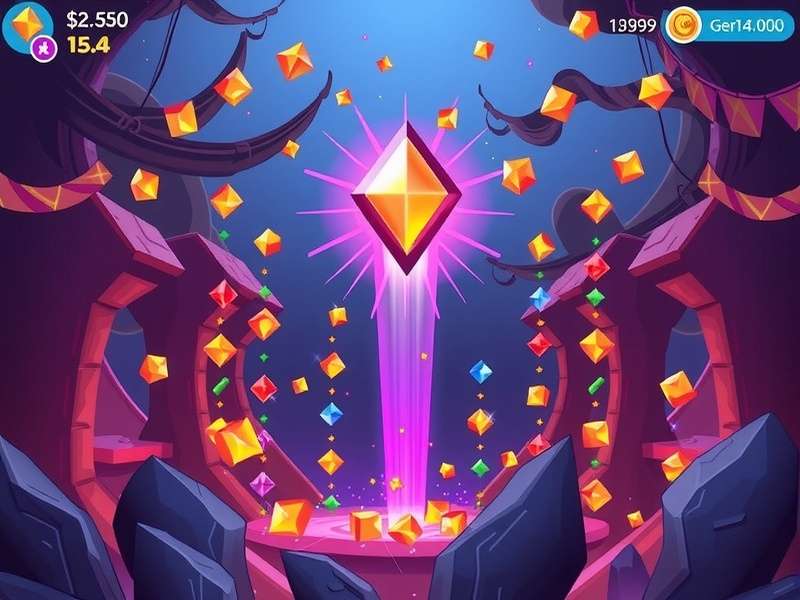
At first glance, Gem Flash appears to be a standard match-3 puzzle. But veterans know its depth. The game introduced a "Chain Reaction" system where cascading matches would multiply your score exponentially. This mechanic encouraged strategic planning over quick clicks, a feature that many modern mobile puzzle games have since adopted.
2.1 Power-Ups and Their Cultural Nicknames
The Indian gaming community developed its own lingo for Gem Flash's power-ups. The "Rainbow Bomb" was called "Indradhanush", and the "Row Blaster" was affectionately termed "Train". This localization of terminology highlights the game's deep integration into the player culture, a phenomenon less common in imported titles like Mario Flash Games.
Chapter 3: Advanced Strategies from Top Players
Through interviews with former top-ranked players (now software engineers in Bengaluru and Mumbai), we've compiled a definitive strategy guide. The key wasn't speed, but board assessment. Top players would often let the timer run low to set up massive 5- or 6-gem matches that would trigger screen-clearing chain reactions. This high-risk, high-reward playstyle defined the competitive scene.
Comparing it to other puzzle greats, Gem Flash demanded a different skillset than the frantic action of Flash Pacman or the tactical resource management of Flash Games 247 Plants Vs Zombies. It was a pure cerebral challenge.
Chapter 4: The Lost Community and Its Legacy
Before Discord and Reddit, Gem Flash communities thrived on forums like IndiaGames.com and Orkut groups. Players shared level codes, debated strategies, and formed friendships. The game's simple social feature—a high score board with initials—fueled intense rivalries. This sense of community was a precursor to the massive online networks we see today.
Many of the games listed in our Flash Game Tier List were popular, but few fostered the same dedicated, strategy-sharing fanbase as Gem Flash did within India.
4.1 The Great Server Shutdown & Preservation Efforts
When Adobe announced the end of Flash, a piece of digital history faced extinction. Enthusiasts scrambled to archive .swf files. Today, you can experience a semblance of the original via emulators on sites dedicated to old Flash games from your childhood. However, the authentic online scoreboards are gone, a silent monument to a bygone era.
Chapter 5: Gem Flash's Influence on Modern Indian Game Dev
The minimalistic, addictive design of Gem Flash can be seen as a spiritual ancestor to many successful hyper-casual mobile games emerging from Indian studios today. Its focus on immediate engagement and progressive difficulty is now standard doctrine. The game proved that a Indian audience had a massive appetite for quality puzzle games, paving the way for today's thriving indie scene.
While the era of play online Flash games in the browser is largely over, the design lessons from classics like Gem Flash are timeless. They remind us that great gameplay transcends technology.
Conclusion: More Than Just Pixels
Gem Flash was more than a game; it was a shared experience for a generation coming of age with the internet in India. It represented accessibility, creativity, and community in a pre-social media world. As we explore other classics like Mario Vs Sonic Flash Games or catalogues of online Flash games, the story of Gem Flash stands out for its deeply rooted connection to its players. Its legacy isn't stored on a server, but in the memories of millions who, for a few minutes or hours, found joy in making gems disappear.
Disclaimer: This article is a work of historical analysis and appreciation. Gem Flash is a trademark of its respective owner. All gameplay images are used for illustrative and educational purposes under fair use.